

Estimated Reading Time: 6 minutes
Nigeria is full of talented small businesses producing everything from fashion and home goods to food, cosmetics, and tech accessories. But getting your products into the hands of paying customers abroad can feel overwhelming. Without proper preparation, paperwork, and logistics, shipments can get delayed, damaged, or rejected, costing you money and credibility.
By understanding the export process and planning carefully, you can grow your business internationally, avoid common pitfalls, and deliver confidence to your buyers. With the right guidance and support, even small-scale exporters can compete globally.
In this guide, we’ll break down how to start exporting successfully, highlight real opportunities for Nigerian SMEs, and show how Afroshipper can make the journey smooth, predictable, and stress-free.
What We’ll Cover
- Why Nigeria’s exports lag and where growth opportunities exist
- Real products that buyers abroad are actively looking for
- How to prepare your product and packaging to meet international standards
- Pricing strategies and landed cost calculations to protect your margins
- Compliance, documentation, and certification requirements for different markets
- How to avoid common logistics and customs traps
- Step-by-step guidance for first-time exporters and a practical 90-day plan
- Policy windows and market shifts, including AfCFTA, that create export opportunities
- How Afroshipper supports Nigerian SMEs every step of the way, including:
- Documentation walk-throughs for invoices, packing lists, and approvals
- Transparent pricing with no surprise fees
- Real-time tracking and delivery proof (photos/videos)
- Advice on routes, packaging, and small-volume shipments
Why Nigeria Still Under-Exports
Historically, Nigeria’s exports have focused on oil, leaving non-oil products underrepresented in global markets. Informal trade and infrastructure gaps have also limited growth.
Recent trends, however, show significant growth in non-oil exports in 2024–2025, particularly in processed agricultural products, textiles, cosmetics, and home goods. Policy moves and regional trade agreements like AfCFTA are creating new corridors for trade within Africa and abroad.
What this means for you:
- Demand exists for quality, value-added products.
- Buyers expect consistent quality, clear documentation, and reliable delivery.
- Meeting these requirements gives Nigerian SMEs a competitive edge.
Click here to learn more on what is now attainable.
Products Nigerian Small Businesses Can Export
Some product categories show strong demand globally:
- Value-added agricultural products: Roasted cassava, packaged spices, shea derivatives.
- Textiles & fashion: Branded, quality garments and accessories for diaspora markets.
- Home & lifestyle: Furniture, crafts, packaged goods with strong storytelling and packaging.
- Personal care & cosmetics: Shea butter and botanical products labeled to export standards.
- Shelf-stable foods: Nuts, dried fruits, packaged snacks, and non-perishable items travel well internationally.
Quick tip: If your product can pass a simple online marketplace listing with clear photos, ingredient info, dimensions, and a safety label, it’s close to export-ready.
Prepare Your Product and Packaging
Successful export starts with preparation. Here’s what to focus on:
Product & Packaging
- Standardize dimensions and weights for each SKU.
- Use sturdy, food-grade or export-compliant packaging.
- Label correctly: ingredients, origin, batch numbers, contact info, expiry/best-before dates.
- For food products, include sanitary or phytosanitary certificates where required.
Pricing & Costing
- Calculate landed cost: product + packaging + local transport + freight + duties + local delivery.
- Offer clear price tiers: retail, bulk, wholesale.
Compliance & Documentation
Understanding the roles of NEPC and Why NAFDAC and SON Compliance Matters for Exporters:
The Nigerian Export Promotion Council (NEPC) is the government agency that helps businesses navigate the export process by offering support, training, and guidance. However, NEPC does not regulate the safety, quality, or compliance of products meant for export.
To successfully enter international markets, exporters must still obtain approvals from the key regulatory bodies responsible for product standards.
Why Exporters Must Register with NAFDAC and SON
- NAFDAC Registration: Essential for Food, Cosmetics, Beverages, and Health Products
- NAFDAC registration proves that your product is: Safe for consumption or use, Produced in hygienic and controlled environments, free from harmful contaminants or banned substances and accurately labelled for traceability and transparency.
Many international distributors will not accept Nigerian consumables or cosmetic items without NAFDAC approval — especially in the U.S., U.K., EU, and Canada.
- SON Certification: Ensuring Quality for Manufactured and Industrial Goods
SON certifications (such as SONCAP and MANCAP) confirm that your product meets: International quality and safety standards, Durability requirements and accurate weights, measurements, and packaging specifications
Foreign buyers highly value SON compliance because it reduces the risk of substandard imports and ensures consistent quality.
Why International Markets Appreciate These Certifications:
1. Instant Buyer Confidence
Retailers, importers, and distributors trust certified products more, making it easier for your goods to get accepted.
2. Fewer Border Rejections
Products without NAFDAC or SON certification are more likely to be delayed, quarantined, or rejected entirely at foreign borders.
3. Access to Premium Retail Channels
Supermarkets, pharmacies, beauty supply stores, and specialty shops typically require proof of regulatory approval before onboarding any product.
4. Stronger Competitive Positioning
Compliance elevates your brand, helping you compete with products from other countries that already meet strict global standards.
Customer Experience
- Communicate clearly and promptly.
- Provide real-time tracking.
- Offer delivery photos or short videos to build buyer trust.
Avoid Common Logistics & Customs Traps
Most delays come from mis-declared value, missing paperwork, or weak packaging. Here’s a practical timeline:
- 4–6 weeks before shipment: Confirm buyer order, payment terms, and required export documents.
- 2–3 weeks before shipment: Finalize packing, weigh and measure products, and prepare invoices and certificates.
- 1 week before shipment: Book freight and meet carrier requirements.
- Pickup week: Confirm tracking and request proof of delivery.
Common mistakes to avoid:
- Under-declaring value to save on duties (risking seizure).
- Skipping product declarations (causing inspections).
- Weak packaging that damages goods.
- Missing food/agro certifications.
How Afroshipper Helps Nigerian SMEs Export with Confidence
Afroshipper simplifies the export process for small businesses:
- Documentation Walk-Through: Guidance through invoices, packing lists, and required approvals.
- Transparent Pricing: One upfront quote covering all predictable costs.
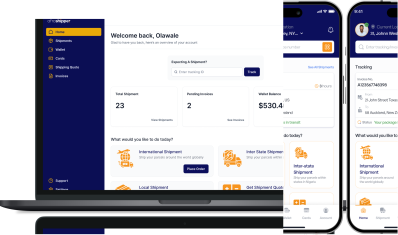
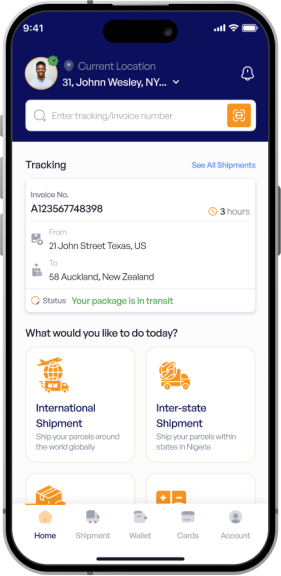
- Real-Time Tracking & Delivery Proof: Photos or videos on delivery to show buyers their order arrived safely.
- Route & Packaging Advice: Recommendations for consolidated freight vs air, fragile items, and faster export routes.
- Support for Small Volumes: Services designed for growing brands, not just pallet-sized shipments.
Afroshipper reduces delays, builds buyer trust, and helps SMEs scale internationally.
A Practical 90-Day Export Plan
- Week 1–2: Select one SKU, create a listing, and get feedback from trusted buyers.
- Week 3–4: Finalize packaging and documentation.
- Week 5–6: Ship a small batch using consolidated freight or courier with tracking.
- Week 7–12: Collect feedback, refine packaging, and prepare a slightly larger repeat order.
Policy Windows & Market Shifts
- AfCFTA and regional trade improvements reduce friction for intra-African exports. Consider regional buyers as your first step. Click here to learn more about what is attainable
- Government incentives for processing (e.g., shea nuts policies) favor value-added products. Monitor grants and policy changes to take advantage.
Conclusion
Exporting isn’t just for large manufacturers. With the right product tweaks, clear paperwork, and a logistics partner guiding you through documentation and delivery proof, your small business can reach paying customers abroad.
Afroshipper helps you:
- Prepare documents correctly
- Arrange pickup from the UK or US
- Track shipments with delivery proof
Ready to move from making to exporting? Start here: Afroshipper.com